






Artists
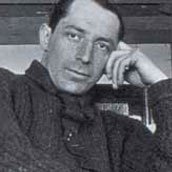
Umberto Boccioni
(1882 - 1916)
Born: Reggio di Calabria, Italy
Style: Futurism
Famous Works:
- Head + Light + Surroundings (1912)
- Continuous Forms in Space (1913)
- Dynamism of a Cyclist (1913)
Umberto Boccioni believed strongly in the Futurist philosophy, co-signing ‘The Manifesto of the Futurist Painters’ in 1910. Boccioni formally denounced the traditional and customary philosophies of art making and instead, like many of the other members of the Futurist movement, looked to the rationalism of science and technology to inform his work. Boccioni recommended a near complete break with tradition and was an extreme advocate of the Machine Age, believing it to be a step towards the advancement of Italy. Painting was not Boccioni's sole medium; the artist also spent a considerable amount of time sculpting. He represented themes of the city earlier in his work, and subsequently used his work to express a social commentary. Boccioni aimed to capture multiple moments in a single two or three-dimensional venue, always stressing the synthesis of space and motion. In addition, it was of utmost importance to Boccioni to have the human element of emotion present in his work. In this way, the artist viewed objects as possessing a spiritual and emotional aspect in the way that they interact with space. While serving in the Italian Army during the First World War, Boccioni tragically died from injuries that he sustained after being thrown from his horse and subsequently trampled.
Feeling inspired? Try out these fine products…
|
|
|
|||
|
|
|
|||

Latest Product Reviews
Love all the embossing powders bought at MisterArt. Excellent highlights, used for stamping on Halloween goodie tags, colors were beautiful, just as shown. All products came sealed & delivered, packed carefully. Best prices ! for someone on fixed income, was able to purchase more. Happy Customer, highly recommended
- Boo in Illinois
The paint is exactly what I ordered and expected. Shipping was speedy and packing was perfect!!
- Annie in New Mexico

I started using the Archival Inks not long ago I like them better than others used in the past. The color is true to name. Going to continue to buy until I have all the colors. :)
- Susan F in El Reno, OK
Free Download for Kids
 Download FREE coloring
book pages to color at
home or school.
View Pages »